

Why Client Identity Shifts Beat Program Design (The One Marketing Move That Made LadyBoss $10M)

In 2016, Kaelin Poulin's fitness business was doing a few hundred thousand a year. Solid business. Real coach. Real results.
Twelve months later, she was doing more than $10 million.
She didn't change the workouts. She didn't add a new supplement line. She didn't crack a viral hack. She changed who her clients thought they were.
The lesson is timeless enough that Russell Brunson wrote about it in his books (read more in Expert Secrets). And it's the single most important thing you can steal for your coaching business — whether you sell one-to-one, run group coaching, or manage a subscription community.
What "Identity-Based Marketing" Means (and Why It Beats Programming)
Most coaches sell a transformation: lose 20 pounds, run a 5K, deadlift double bodyweight, fix your gut. That is simply the outcome.
Identity-based marketing sells the person on the other side of the transformation. "You are a LadyBoss." "You are a hybrid athlete." "You are a woman who lifts." The outcome comes along for the ride because identity is what actually moves people to change their behavior — every single day — long enough for the outcome to happen. It's the reason someone who "is a runner" keeps running when it rains, and why someone who "quit smoking" doesn't take a puff at a wedding. Behavior held up by identity is durable; behavior held up by motivation is not.
The Honest Math Most Coaches Never Do
Clients who quit don't quit because your program is bad. They quit because the version of themselves that started the program isn't the version they need to be to finish it.
Selling the Program: If your marketing sells reps, sets, meals, and macros, you will attract people looking for information. Information is a commodity (AI now produces plans in five seconds for free).
Selling the Identity: If your marketing sells who they become ("here is who you become when you train with us"), you attract people looking for belonging. Belonging is not a commodity, and it is what keeps them paying month after month.
For coaches on a revenue-share platform, this compounds. Every retained client is another month of revenue you didn't have to earn again from scratch.
The 3 Levers of Identity-Based Marketing
- Name the identity — clearly, and often "LadyBoss" is genius because it's a proper noun. Members don't say, "I'm doing the program." They say, "I'm a LadyBoss." That is a linguistic and social contract they can wear, share, and defend.
What to do: Give your community a name that a member could put in their Instagram bio. Not the program name — the tribe name. Test it, say it every week, print it on merch, and use it heavily in your onboarding sequence. - Show the identity in action
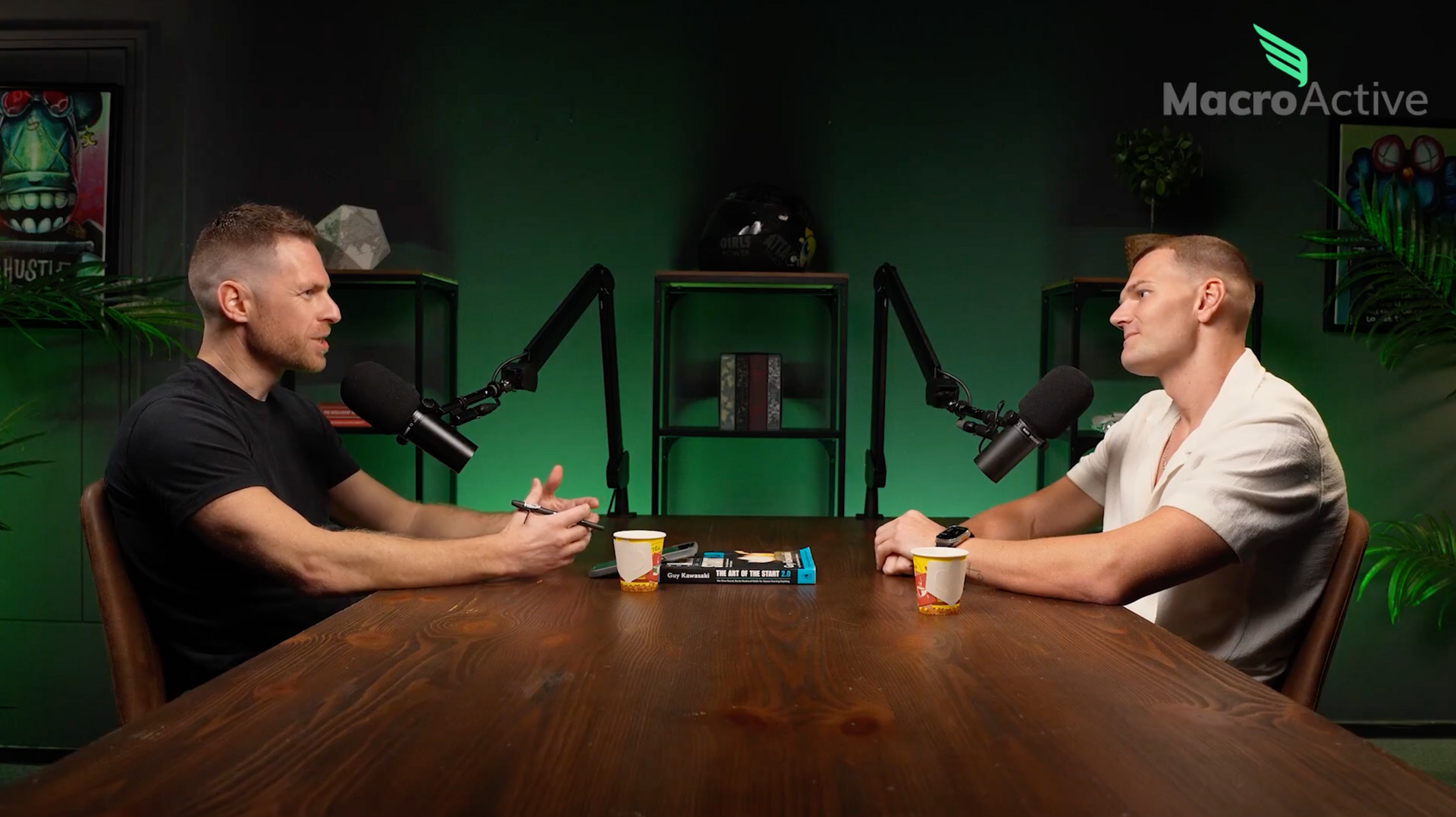
Nobody adopts an identity they can't see. This is why real, unpolished, on-camera testimonials are 10x more powerful than before-and-after photos alone. Ken Brickley (CRO at MacroActive) highlights a specific tactic Kaelin used: "crowning." Photograph clients at meaningful milestones, capture their stories on camera, and turn that moment into content. The public naming of who they are now is the point.
What to do: Systematize milestone capture and "crowning" moments. Every client who hits a defined goal (e.g., 90 days, 5kg down, first pull-up) gets a photo, a testimonial, or a shoutout in your community. - Sell the emotional reality, not the features
Ken puts it plainly: "People buy emotion more than features." Your sales page shouldn't lead with "12-week program, 3 sessions per week, macro-tracked nutrition plan." It should lead with the feeling on the other side of the program: waking up strong, looking in the mirror and recognizing yourself, or being the parent your kids see keep a promise.
What to do: Rewrite your sales page opener. Cut every feature bullet from the first fold and replace it with one emotional sentence and one image of who your client becomes.
The Identity Marketing Playbook for MacroActive Coaches
Where do most coaches get identity marketing wrong? They plateau because the identity is empty (e.g., generic terms like "Beast Mode"), contradicts the customer's self-image (calling a 47-year-old mom a "gym rat"), or only appears in marketing and disappears after the purchase.
Here is the pattern we see with the highest-retaining creators on the MacroActive platform:
Embedded Naming: The identity is baked into space names, group names, and member titles.
Automated Shoutouts: Milestones trigger community-wide celebrations so every member sees the identity in action weekly.
Content Repurposing: Client wins are pulled directly from the check-in flow into stories, reels, and sales pages.
None of this is a plugin you install; it is a marketing operating system. Once it is running, retention curves flatten and lifetime value climbs — which is the only math that matters for a subscription coaching business.
Frequently Asked Questions (FAQ)
What is identity-based marketing in fitness coaching?
Identity-based marketing sells the person your client becomes rather than the outcome or the program features. It is the difference between "lose 20 pounds in 12 weeks" and "you're a woman who trains." Identity outperforms outcome because behavior held up by identity survives when motivation runs out.
Why do fitness clients stop showing up after 30 days?
Most drop-off happens because the client bought a transformation, not an identity. Once early results plateau or life gets busy, they revert to their old self-image and habits. Coaches who market identity retain longer because clients don't want to abandon a version of themselves they have publicly claimed.
How do I name my coaching community or tribe?
Look for a two-syllable proper noun a member could confidently put in their Instagram bio. Test it against three criteria: Is it specific to your niche? Would a rival coach have to change more than one word to steal it? Does it name who they become, rather than what they do?
Is identity marketing just branding?
No. Branding is what your business looks like (and lives on your website). Identity marketing is what your clients look like to themselves, to their friends, and to the world (and lives in the mirror).
Where should identity-based messaging show up in my coaching business?
Everywhere. Include it in your sales page, welcome video, onboarding emails, community space names, member titles, weekly shoutouts, milestone celebrations, merch, and every check-in message. If a client can complete your program without hearing the identity name a dozen times, it isn't working yet.
Ready to build a highly-retained community?
Want to see how the highest-retaining coaches on our platform run this play? MacroActive is a fully managed coaching platform built for health and wellness creators. We take care of the software, payments, and community infrastructure so you can focus on the marketing that actually grows retention — like identity.
Book a call →